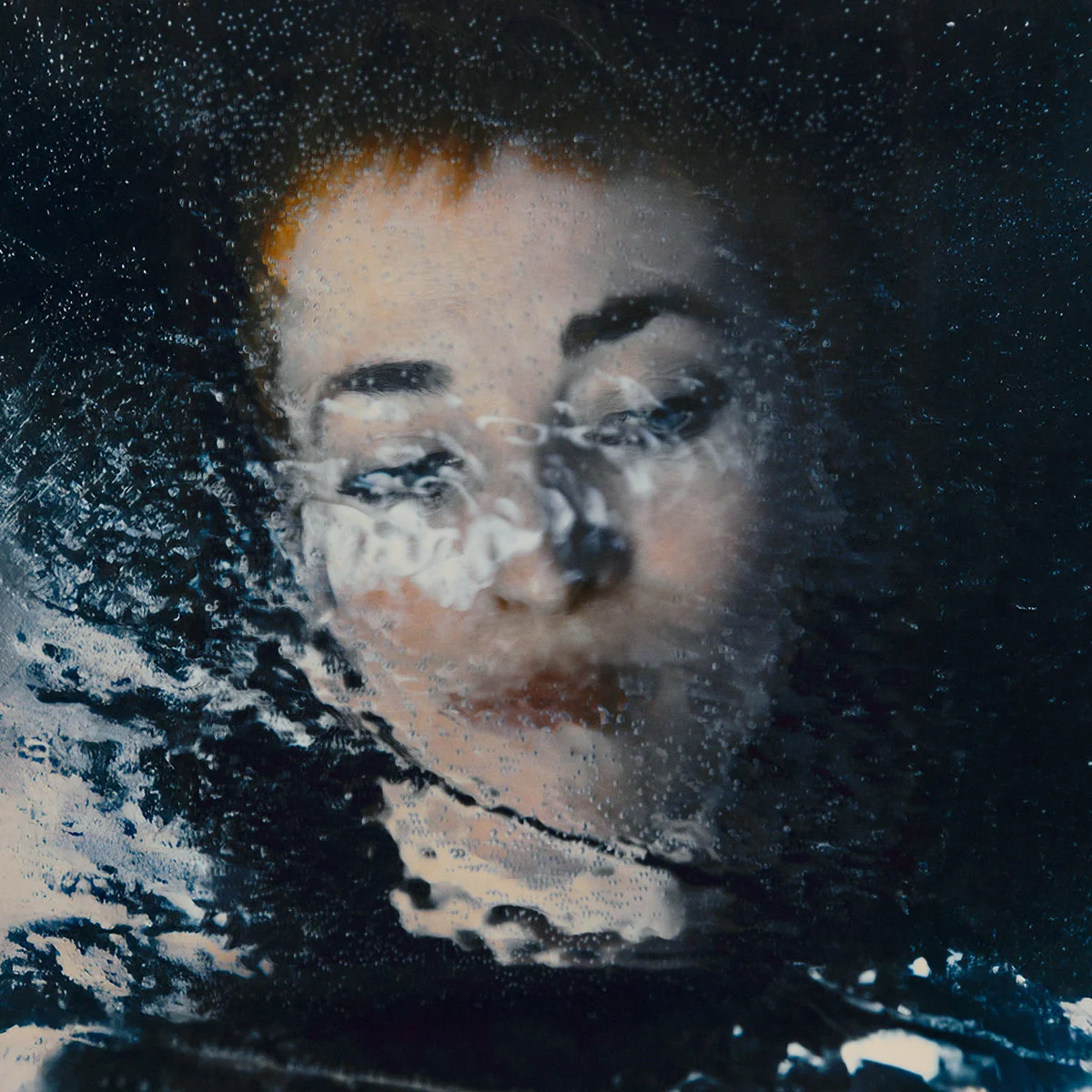
Radie Peat, whose first solo album gathers songs she felt were too personal to bring to Lankum, understands the attraction. No Human Tongue Can Tell makes a persuasive case for the emotional candour of borrowed words. Peat is adept the art of squeezing into the pain that others have etched before her, giving her familiar subjects a more intimate significance than just another excursion into folk’s considerable catalogue of horrors.
Peat has already demonstrated, with Lankum and with ØXN, what she can do with a doomed woman and a punishing drone. Here, her tenderness is just as consequential. Her description of the desired sound as a “slightly darker version of Enya” becomes particularly illuminating alongside another acknowledged influence, Beth Gibbons and Rustin Man’s Out of Season. She was drawn to its murmured vocal accompaniments, and to the layering of her ØXN bandmate Katie Kim. These are voices you might seek consolation in, but what happens when they sing the inconsolable?
On “Willow Garden”, her rendition of the Appalachian murder ballad “Down in the Willow Garden”, the answer is almost indecently lovely. Peat’s tenderness makes the song difficult to dismiss as mere grisly entertainment. The sweetness is piqued and the story becomes harder to stomach because of it. Against the temptation to assume that everyone understands the cruelty of material this familiar, Peat sings as though its dead and affected still linger just out of frame.
Her instrumental self-sufficiency, an ambition kindled years ago by watching Mike Oldfield assemble , serves that intimacy well. Playing around ten instruments, with John “Spud” Murphy helping shape the output, she allows her own musical instincts and limitations to determine the arrangements.
The patience of “Hares on the Mountain” can initially seem almost perverse. Peat sits with its phrases until their familiarity become uncomfortable. On “Bonnie Boy”, you can hear the Shirley Collins and Anne Briggs she has absorbed, though recognising her sources doesn't get to the heart of this devastating initial offering. The more apt question is what keeps drawing her back to these particular women, these particular disappointments.
“The Moon and Stars” offers the most troubling answer. Its abandoned, pregnant narrator invokes rue, a reference to abortion that Peat has said changed her understanding of the song. Her revisions give the woman’s anger greater prominence, shifting the emphasis towards her reckoning with the man who has left her in such danger. Against the drums’ remorseless tread, the predicament acquires dreadful immediacy. It also complicates any easy claim that this is an album about women reclaiming agency. A choice made under such circumstances is hardly freedom. Peat allows the woman her fury without pretending such fury can be remedied.
The sombre tempos and sustained drones remain recognisably close to Peat’s work elsewhere, and that continuity makes the gentler passages especially telling. She has so often been praised for sounding terrifying that her capacity to soothe can register as the greater revelation here, and across No Human Tongue Can Tell, beauty makes these women’s experiences bearable to listen to for long enough that the particulars of these songs' narratives begin to feel essential.
There is comfort, a collectedness, in discovering that suffering is shared across space and time. There is something appalling in the prescience of these heirloom words, a concept chillingly at-home as a thesis to the debut of a sentimentalist as unflinching as Peat.