Ten days ago, my mother’s life came to an end. She was surrounded by family in her final days. It wasn’t a surprise. After a few months of illness, she entered palliative care on Friday morning. By Saturday evening, she was gone.
In these weightless days, signposted by burial prayers, conversations in my dreams and condolence cards, I find myself moving through grief and memories of my mother.
Seventeen years ago, I sat with my parents on the first weekend of and told them (in Punjabi) that “I am not attracted to women”. My planning was meticulous. I figured that visiting them on a Friday in the holy month was conducive to the right conversation. Perhaps they would understand me.
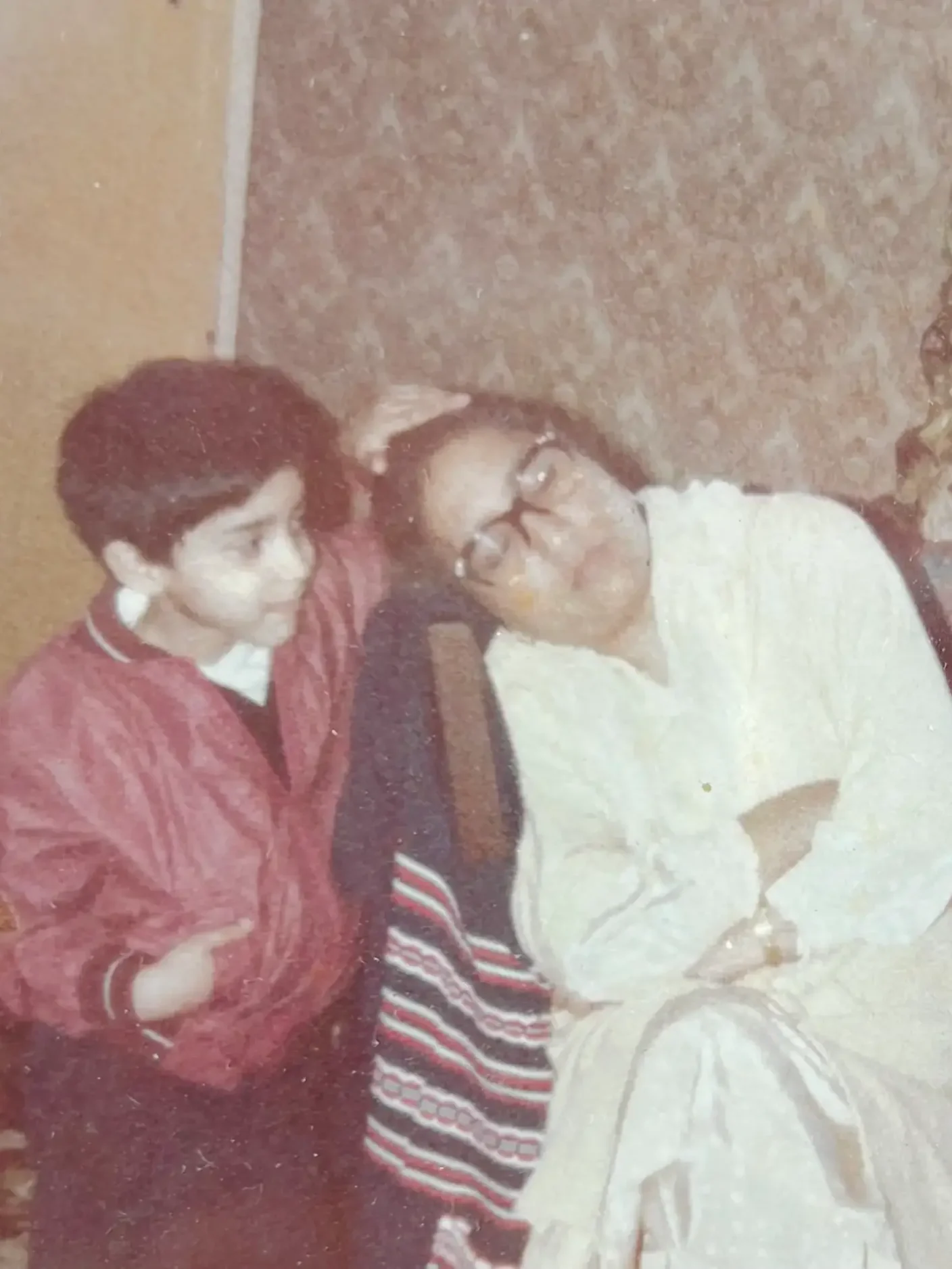
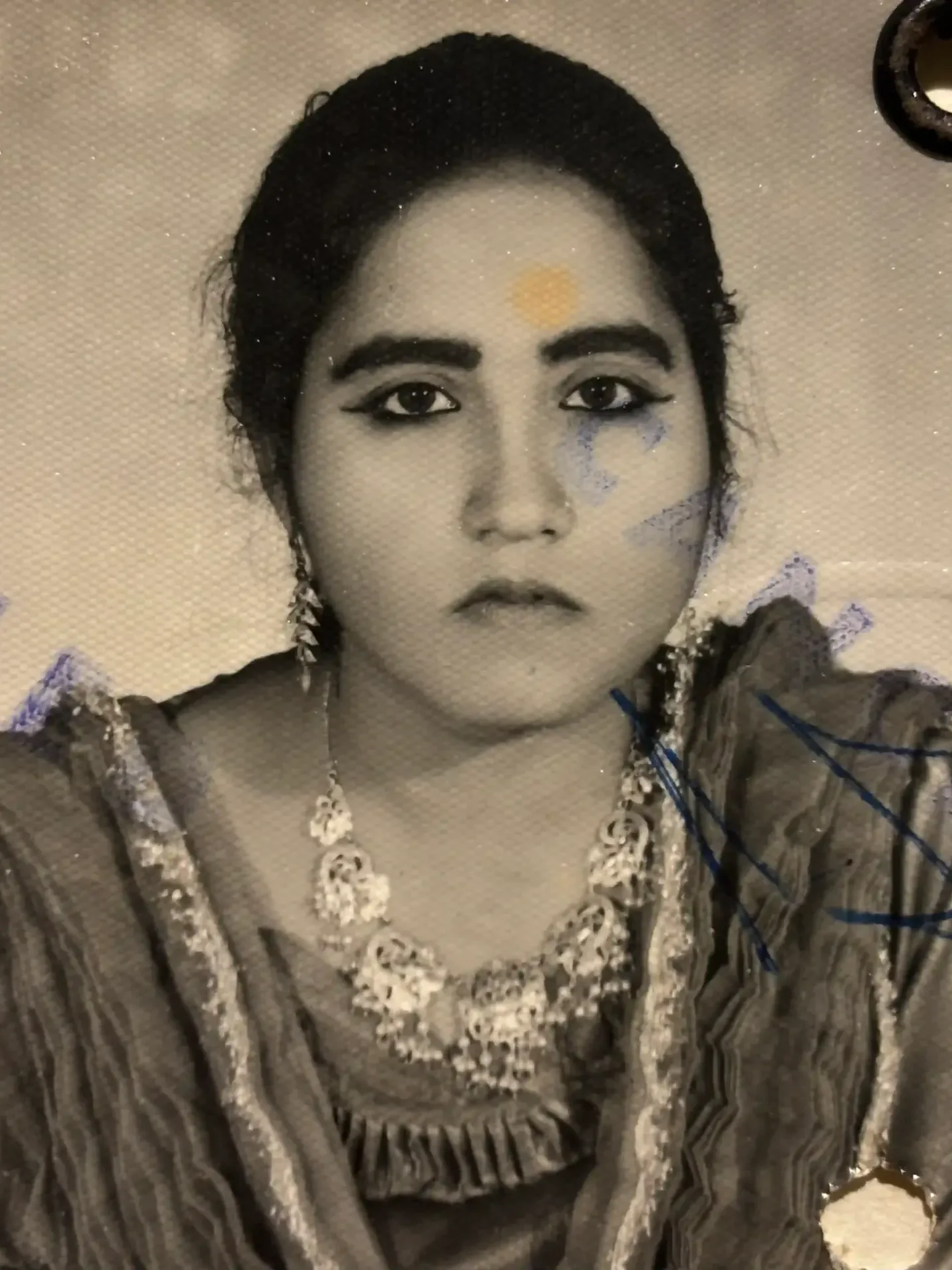
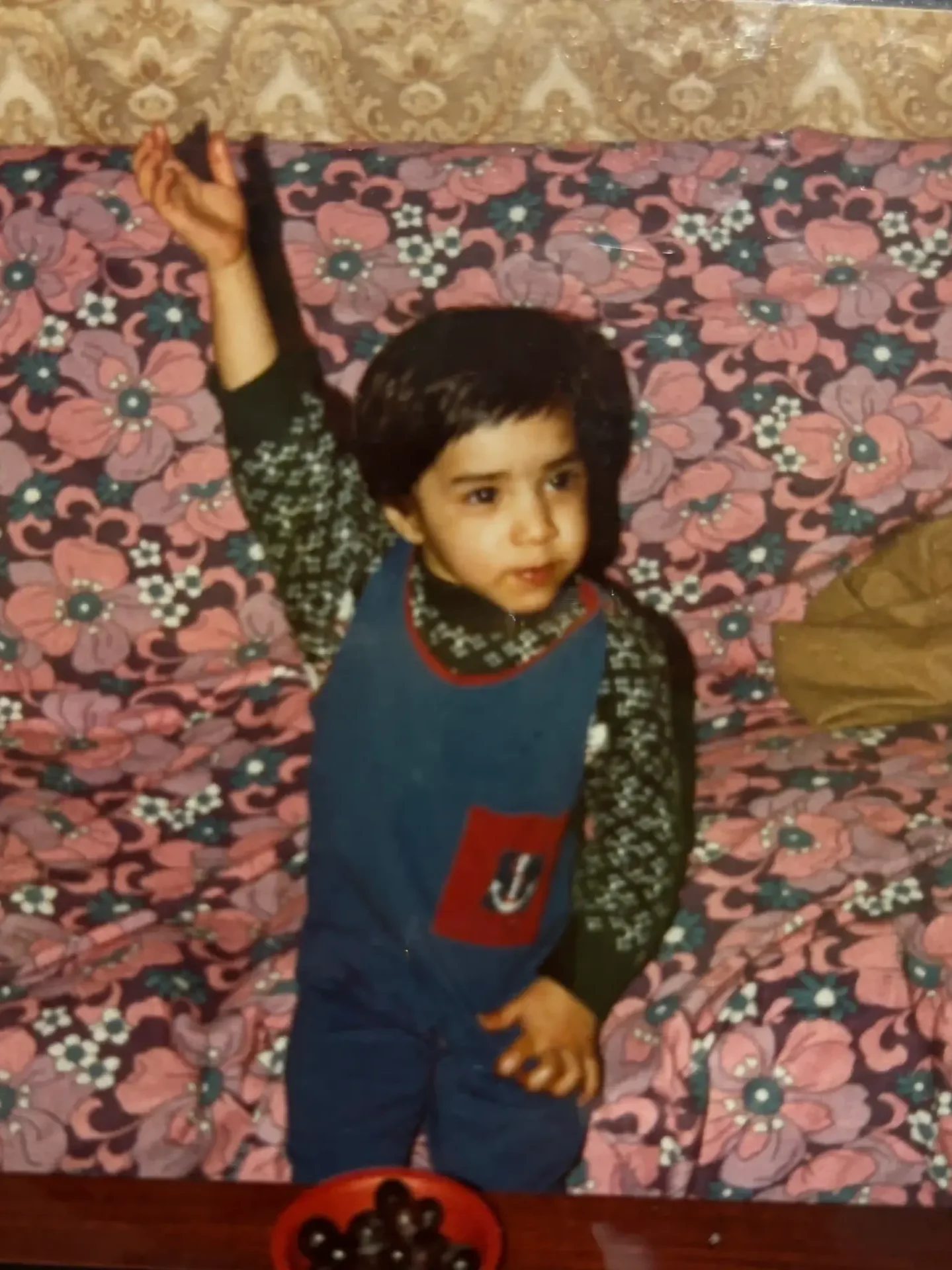
I would be visiting their home in Yorkshire for the weekend. We would have to talk. I’d carried a secret around my entire life, and now I was plonking this truth down in my parents’ front room. I believed honesty would be good for me. I hoped that it would be good for us. For mum and dad. For their youngest son. For our relationship.
My mother looked bemused. “Pehla dasna see. Alahj hojanda” – “You should have told us earlier. You could have had treatment.” There were no tears. Not because my parents were undercover queer activists, but because my revelation had fallen so far outside their frame of reference. My lack of attraction to women was rationalised. My mother thought I was impotent and in need of Viagra.
I could feel the embarrassment rising up my neck and spilling onto my face. I explained that my bits were in full working order and that I was, in fact, attracted to men. I had relationships and would perhaps get married one day. Just not to a woman. Then the tears came.
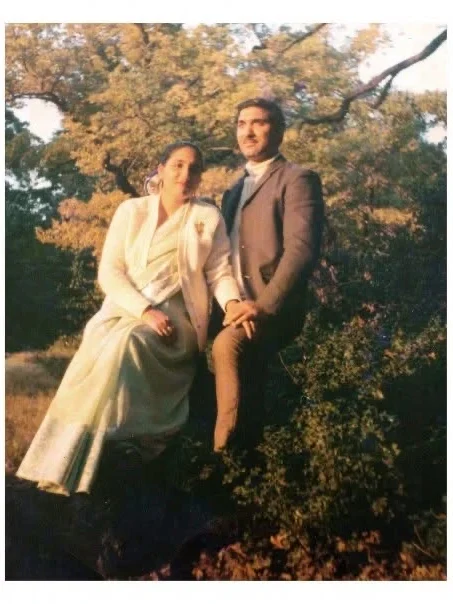
Earlier that year, people I loved and respected, from within the community I had grown up in, told me that I could not share the truth with my parents. “It will kill them” didn’t invite discussion. It didn’t even leave space for a response. But now it was done. The fact is, it didn’t kill anyone.
In the months that followed, whenever I would visit, I would sit at the top of the stairs at my parents’ house and listen to them discuss my life as they lay in bed. “Kisi da kasoor nahi” – “It’s no one’s fault.” They would reassure each other. They didn’t know I was listening. They didn’t know that I understood them exactly.
They came from another context
Fifty-something year ago, when my parents arrived in the UK, they would not have chosen to have a gay son. Queer liberation, as we understand it right now, was not in the Sialkoti vernacular. The city my parents came from is famous for manufacturing cricket bats and leather jackets. It’s not viewed as particularly progressive, even within Pakistan.
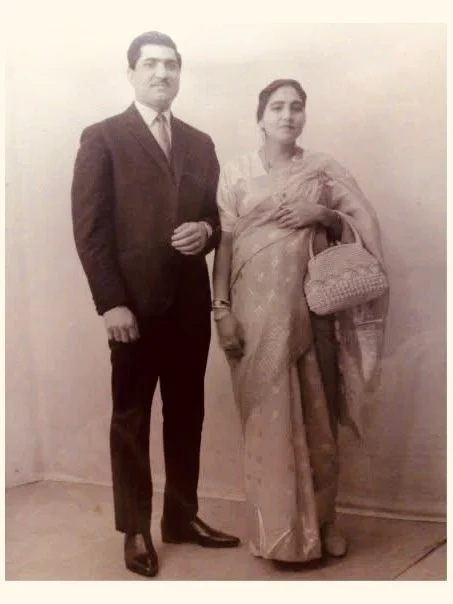
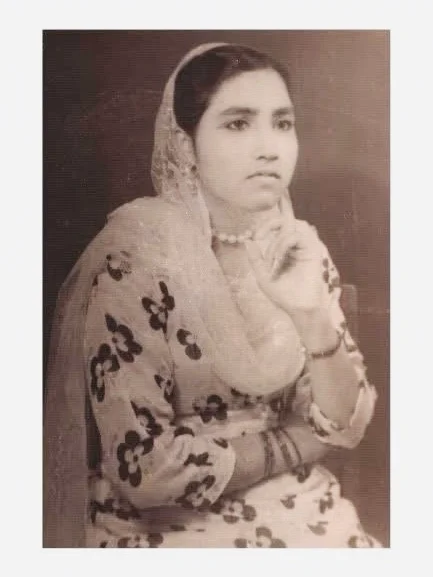
My parents are triple-A-star examples of economic migrants. They came to post-war Britain with an idea for a new life. My father’s first job was in the Mars Bar factory in Slough. He drove a bus for most of his life. My mother worked in a shop. They paid their taxes. My parents gave the UK everything, including the next two generations of their family. We are headteachers, interior designers and computer programmers. My nephew is a commercial airline pilot. Another is an architect. My nieces’ first real job was at the Bank of England. I’m a journalist. I’m on your TV screen and on your radio. All this is only possible because my parents left everything familiar behind and got on a flight to England.
I know exactly what to hold onto
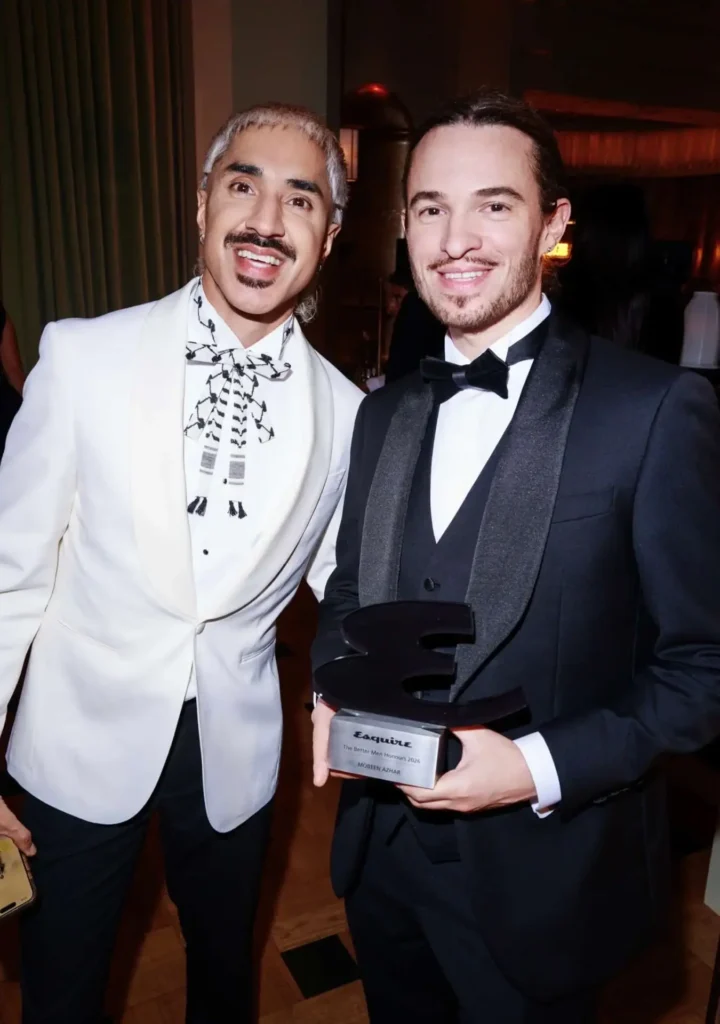
Over the last 15 years, in our daily phone calls, my mother would ask me what I’d eaten. When I’d explain that my husband, Tim, had cooked, she would ask if he was OK. On the rare occasions they ever visited London, my parents came to my marital home. We ate and sat around talking about property prices. When I received an honorary degree for services to journalism from my old university, it was my parents who attended alongside Tim. It was my mother who invited both Tim and me to eat with them in their home afterwards. In the last year of my mother’s life, my parents met my in-laws. We had dinner together. Food is a recurring theme in these scenarios. Love is, too.
If this were an equation, it wouldn’t add up. My parents were profoundly Muslim and culturally Punjabi. Their faith was the centre of their lives. Their first and second languages don’t even have a word for gay.
If I suspend my own experiences for a second and adopt the mindset of a social media bot, the scenario I describe is an impossibility. In the last few years of my mother’s life, people across the UK, in fact, people across much of the world, have been told again and again that immigrants generally, and Muslims specifically, are to be feared. That compassion itself is foreign to these barbarians. The , and have built grand, shiny palaces on these lies.
I know because I saw what my mother was capable of. Her love for me was stronger than anything in its way. My parents’ care for me dismantled cultural and religious norms with a look, a moment of kindness or an insistence that I eat more.
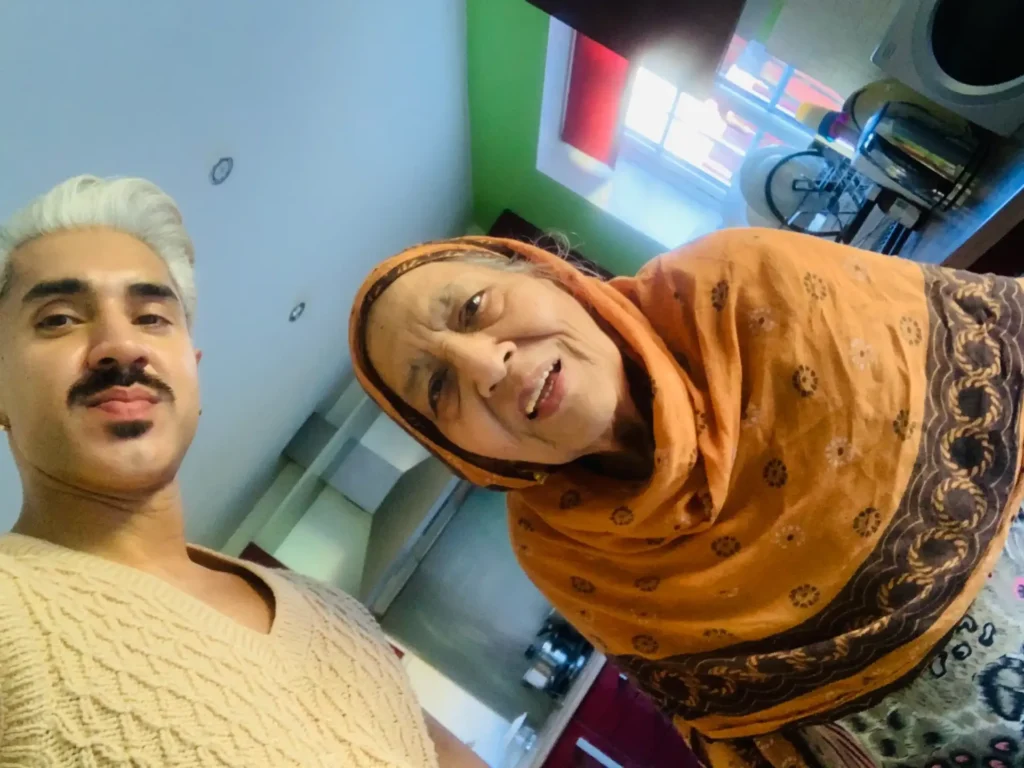
The Prophetic saying “Paradise lies at the mother’s feet” has long been referenced in Muslim cultures as slam-dunk evidence, if religion could offer such a thing, of the status of motherhood.
Today, in my grief, this evidence is superfluous. I have a life that I did not dare to imagine when I was a child. This life is a direct result of my parents’ tenacity. They uprooted themselves and worked every day to make things better for their children. They had the audacity to love me even when they didn’t understand me. What is that, if not paradise?