“I’d still do it again – I know that sounds masochistic!” says photographer Tyler Udall of his gruelling experience of classical ballet from age 12 to 22. In the new issue of , he shares how it shaped his views on , sex-positivity and body-neutrality, and influenced his breathtakingly intimate photos of queer friends and lovers in new book with called Garden of Good. “As a teen navigating what being a queer man is, I didn’t have examples,” he says. “It’s important in my life to try to be the example for younger generations of what it looks like to be adult, queer and masculine”
“Everyone in my images is close to me. Friends, lovers, people in my community who want to be photographed. Most, being performers, want to be in front of the camera, which is its own curious thing to explore. It starts with recognition. I’m drawn to things that feel unresolved; people who have something contradictory about them. Masculine feminine, beautiful strange, hard vulnerable.
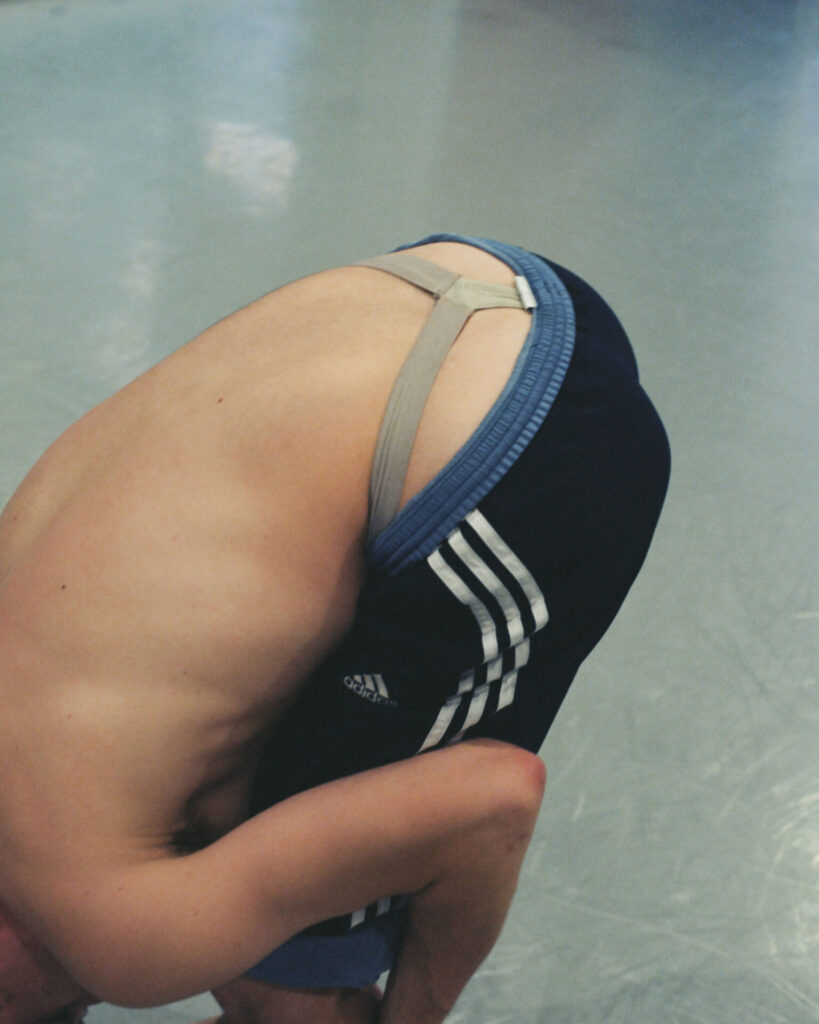
“Also, I see my friends as the most beautiful people. I like showing the world, and them, how I see them. Coming from my early fashion days, it’s very important to me to help redefine conventional beauty. What is beauty? I used to use street casted models instead of agency-represented models – it almost felt like a duty, to educate others. It’s not just this 6’2” chiselled, symmetrical person – look at this person who’s not that at all; how stunning they are in their uniqueness.
“In my work, there is some overtly sexual imagery – there’s one picture in the book, for example, of a friend pleasuring himself, but there’s nothing ‘sexy’ about the image. That’s why I like it. Some of the most sexually charged images are people who are clothed. I like that rub.
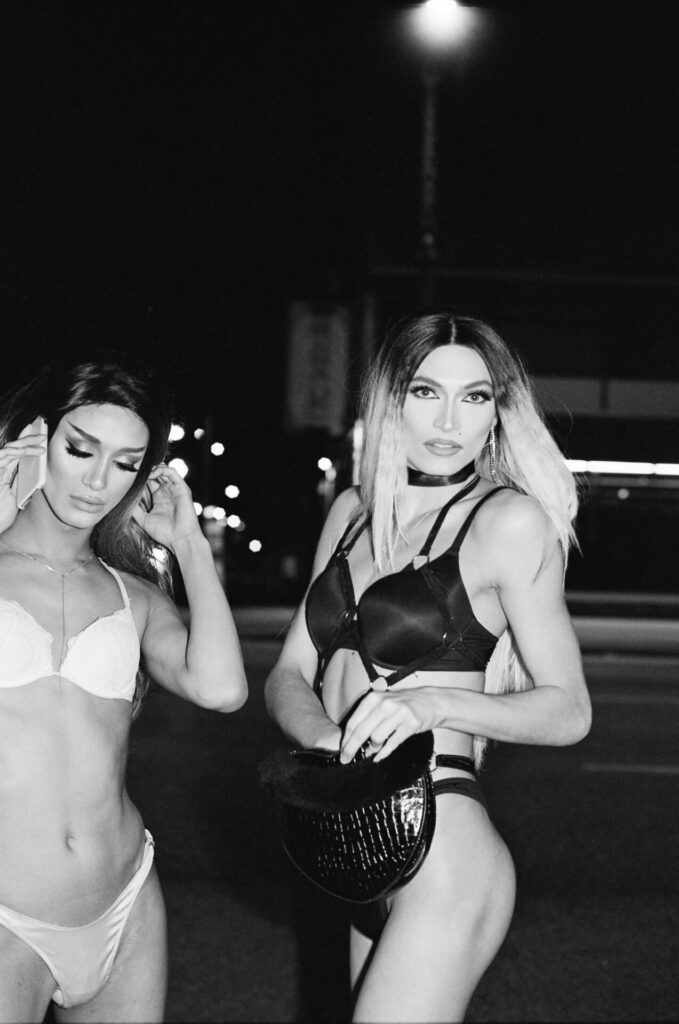
“I also aim for body-neutrality in my work, which some might find surprising. For me the body’s a site of beauty, discipline, desire, shame, performance, freedom. I want all of those things. And they’re not all necessarily positive or negative. Striving for neutrality is a good place.”
Artistic birth
“I grew up in the ballet world – it’s a beautiful, special world, but leaves some pretty lasting psychological and emotional effects that tend to ripple out in all aspects of life; professional and personal relationships, one’s relationship with their body.
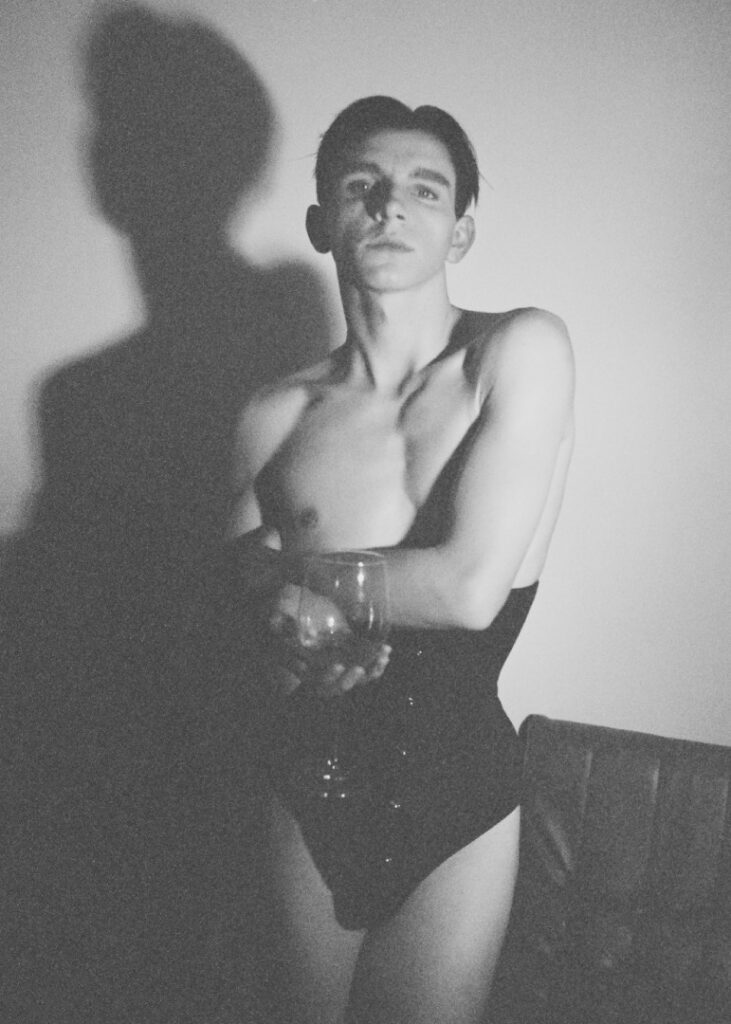
“Ballet exposes you to a version of masculinity that contains both immense strength and delicacy simultaneously. Which is not something I think young boys are taught: that you can be powerful beautiful, that those aren’t necessarily opposites. In one sense it’s giving a progressive idea of what masculinity is or can be.
“On the flip side, especially in classical ballet, all the stories are extremely rigid and traditional with clearly defined gender roles.
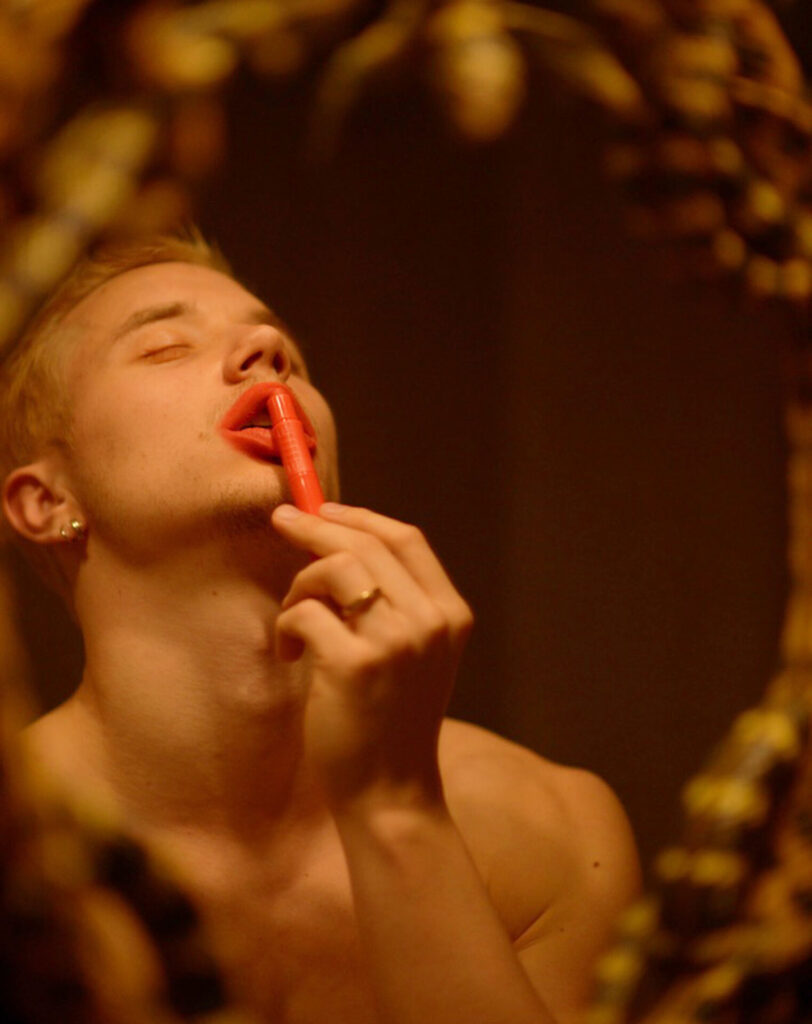
“There’s always a man who’s strong and affluent; a prince or whatever. There’s usually a woman who’s the most delicate orchid on the mountain. Typically, she’s broken because of a man – but the only thing that can fix her is a man, by kissing her or something!
“It’s confusing, especially for young, developing minds. And when you’re on track to becoming professional, you have to go to a handful of elite schools around the world; unless you’re in those spaces, the likelihood of you achieving that goal of being professional is slim to none. It’s an incredibly competitive thing to get into.”
To read this article in full, check out Attitude Uncut: The New Masculinity Issue, out now on and the Attitude ap.
Garden of Good by Tyler Udall is available from boysboysboys.org or from BOYS! BOYS! BOYS! Gallery Café London